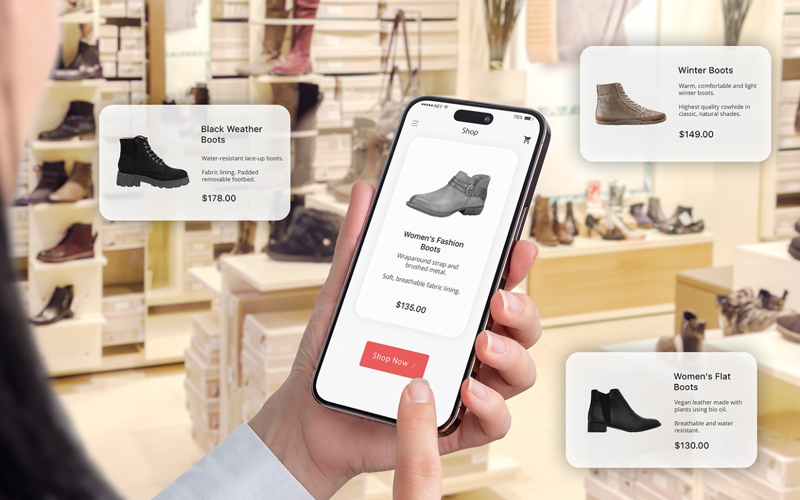



Hundreds of online marketplaces; thousands of sellers; millions of listings; and shoppers with endless options – and very little patience.
Today’s shoppers scroll past listings, compare prices, read reviews, and move on if nothing compels them to stop. One poor experience, and they are gone. Possibly forever. Amazon alone has over 9.7 million sellers on its platform; eBay has roughly 18.3 million. Most online marketplaces are listing the same products, targeting the same customers, and competing for the same visibility. The competition is relentless.
If you are a seller, the question you are facing is clear: How do I get my products in front of buyers, and convince them to choose mine? The answer lies in three pillars: mastering discoverability, nailing fulfillment, and delivering an experience worth remembering. Here is how to do all three.
Discoverability: get found to get chosen
Nothing else matters if you cannot be found. Marketplaces are essentially search engines. They rank products based on keyword relevance, sales velocity, and customer feedback. Your first job is to show up.
Optimize your listings. Your product title and description need to do real work. Use the primary keyword in the title and layer in related search terms throughout the description. For example, say you are selling running shoes, then the listing must also speak to shoppers searching for "sneakers", "trainers", and "gym shoes".
High-resolution images and videos matter just as much. Online shoppers cannot touch, try, or physically inspect what they are buying. Visuals are their only sensory experience before they commit. A crisp image that shows the product from multiple angles, or a video detailing product usage, are the closest things to an in-store experience that can be offered. And as a bonus, marketplaces reward high-quality visuals with better rankings.
Invest in paid visibility. Organic ranking takes time. Sponsored listings and marketplace ads put products at the top of relevant searches. Each platform has its own ad model, such as Amazon Sponsored Products, eBay Promoted Listings, and Walmart Connect. But all of them share one principle: targeted spending with the right keywords improves visibility. A/B testing helps sharpen what works and cut what does not.
Let AI work for you. Marketplaces are AI-driven. Sellers who use AI tools to identify high-performing search terms, anticipate demand trends, and optimize product placement gain a compounding advantage over those who rely on guesswork alone.
Ratings and reviews are your credibility currency. Most marketplaces rank listings partly on review scores, so strong, consistent reviews directly improve visibility. Following up with buyers for honest feedback helps build this momentum. Equally important is to respond professionally and promptly to negative reviews. A thoughtful response to criticism signals reliability to future shoppers and can recover trust. Programs like Amazon Vine can seed early reviews for new listings, while consistent review velocity (aim for at least one review per week for active SKUs) compounds your ranking advantage.
Fulfillment: speed is a strategy
Discoverability gets the click. Fulfillment earns the sale and the repeat purchase. Shoppers today expect fast, reliable delivery. Consistently meeting that expectation protects both conversions and marketplace ranking.
Choose your fulfillment model deliberately. The decision between in-house fulfillment and outsourced fulfillment (Fulfillment by Amazon, Walmart Fulfillment Services, or 3PL providers like ShipBob) depends on order volume and margins. New sellers typically start in-house for control; most scale to outsourced fulfillment when fulfillment begins consuming significant team time. The inflection point is when fulfillment labor costs exceed the commission fees of outsourced models.
Get your inventory management right. Stockouts are silent growth killers. They frustrate customers, trigger penalties from marketplaces, and tank seller metrics. Automate your stock tracking, maintain safety stock for high-velocity SKUs, and synchronize inventory data across every channel you sell on.
Price with intelligence. Marketplace prices fluctuate constantly based on competitor moves, demand shifts, fulfilment costs, and inventory levels. Dynamic pricing tools help stay competitive in real time, without manually monitoring every listing or eroding margins.
Customer experience: turn buyers into brand advocates
A smooth transaction is table stakes. What separates growing sellers from stagnating ones is what happens after the order is placed.
Transparency builds trust. Real-time tracking reduces customer anxiety and support tickets. Shoppers who feel informed are far less likely to leave a negative review, and far more likely to return.
Make returns painless. Easy, transparent returns are now a baseline expectation. A smooth return experience protects seller ratings and can turn a negative purchase moment into lasting customer trust.
Diversify to grow, but stay consistent. Selling across multiple marketplaces helps multiply reach. Research shows that Amazon and Walmart have about 57% overlapping shoppers. This indicates that limiting presence to just one platform risks missed repeat purchases from over half your customers. But, irrespective of the marketplace, brand consistency across all of them is non-negotiable. Product imagery, tone, and service standards should feel the same, whether a customer finds you on Amazon, Etsy, or anywhere else.
Where to start
The online marketplace is crowded. So, the competition is stiff. Sellers who simply list products and wait for clicks are the ones who struggle to stand out. The ones gaining ground are not those with the largest catalogues or the lowest prices, but those who make it easy for shoppers to find them, trust them, and return to them.
Here is the reality: You do not need to be perfect at all three pillars immediately. Start with your bottleneck. If you are invisible, fix discoverability first. As you scale, marketplace listing services can help manage multiple listings and channels. Visible but losing sales to slow shipping? Focus on fulfillment. If you are converting but losing repeat customers, invest in experience and multi-marketplace presence.
Pick one area, master it, then compound. That is how sellers win.
How can Infosys BPM help?
Mastering all three pillars takes time and expertise. That is where Infosys BPM's Digital Interactive Services come in. Our Marketplace Management Services handle the heavy lifting: optimizing product listings across channels and ensuring brand consistency across every marketplace.
With AI-powered tools and a team of 2,500+ digital professionals, we have built 100K+ product catalogs and managed millions of pages. Whether you need help scaling your listings, improving marketplace visibility, or managing multi-channel operations, we turn complexity into competitive advantage.
Frequently asked questions
Sellers must master discoverability through keyword-optimised listings and high-resolution visuals, secure reliable fulfilment to protect metrics, and deliver memorable customer experiences to drive repeat purchases. In platforms hosting millions of active listings, executing across all three pillars is essential for survival.
Online marketplaces rank search results based on sales velocity, keyword relevance, and consistent positive customer reviews. Maintaining steady review accumulation, such as targeting at least one review per week per active SKU, compounds algorithmic visibility and establishes critical buyer trust.
Sellers should evaluate outsourcing fulfilment when order volume scales to the point where internal labour costs and inventory management overhead exceed marketplace fulfilment commission fees (e.g., FBA or WFS). Outsourcing protects seller performance metrics by guaranteeing fast, reliable delivery.
Data shows significant overlapping consumer bases across major platforms like Amazon and Walmart, indicating that limiting sales to a single marketplace forfeits substantial repeat traffic. Diversifying across platforms while maintaining strict brand consistency maximizes market reach and revenue resilience.