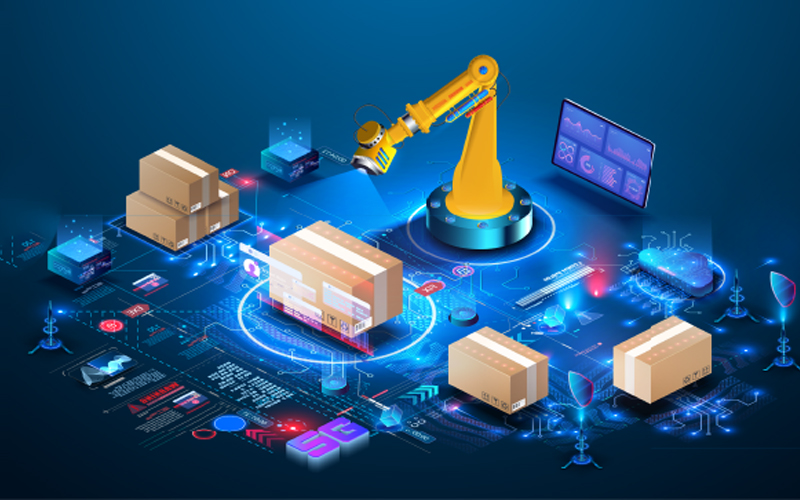



Retail planogramming is the process of creating a visual representation (planogram) that defines how products should be arranged on shelves or displays in a retail store to optimize space, improve product visibility, enhance shopping experience, and drive sales. It includes guidelines for product placement, shelf layout, facings, and category flow, ensuring consistency across stores, better inventory management, and increased customer convenience.
Why planogramming matters
Planograms have always played a critical role in retail success. They help create visual consistency across stores, optimize shelf space, and influence purchasing decisions, all of which drive sales. However, modern shoppers are unpredictable, influenced by trends, social media, and instant gratification. This means retailers can no longer rely on rigid layouts. The future lies in adaptive, data-driven solutions that respond to real-time trends and customer behaviors. In short, planogramming is evolving from a static process to a dynamic, intelligent one.
New generation planogram tools are revolutionizing the retail industry by redefining how products are arranged to boost sales and enhance the shopping experience. An effective planogram not only outlines the optimal placement of items on shelves and displays but also aids in efficient space utilization, drives revenue growth, and streamlines inventory management. By leveraging visual merchandising strategies through planograms, retailers can maximize shelf space and significantly improve sales performance.
Why traditional planogramming methods fall short
In retail, the traditional way of planogramming means creating a visual guide that shows how products should be arranged on shelves. While this approach has been around for years, it comes with some big challenges:
- Static and outdated: Most traditional planograms are fixed and often based on old layouts or guesswork. This can lead to missed sales opportunities and inconsistent execution across stores.
- Limited flexibility: Adapting to seasonal promotions, introducing new products, or responding to changing shopper trends is tough with rigid planograms.
- Resource-intensive: Creating and revising these setups demands significant time, effort, and manpower.
- Not data-driven: Traditional methods rarely use real-time data, which means product placement isn’t optimized and that can hurt sales.
These challenges make it clear; retailers need smarter, more dynamic solutions that can keep up with today’s fast-changing market.
Retail is changing fast and so is planogramming
Retail is evolving at lightning speed, and planogramming is no exception. Traditionally, planograms were static diagrams designed to ensure consistency and maximize shelf space. But in today’s dynamic retail environment, where consumer preferences shift overnight and competition is fierce, static layouts simply don’t cut it anymore. Thanks to cutting-edge technologies like artificial intelligence, augmented reality, and virtual reality, retailers are moving toward smarter, faster, and more personalized merchandising strategies.
Game-changing innovations in planogramming
- AI-powered planograms
- Augmented reality for instant visualization
- VR store simulations
Artificial intelligence is revolutionizing planogramming by analyzing massive datasets, sales history, customer preferences, seasonal trends, and inventory levels. These AI-driven systems don’t just look backward; they predict future demand and recommend optimal product placements. By forecasting what shoppers will want next, retailers can position products where they’ll sell best, reducing waste and boosting profitability.
Imagine previewing a new shelf layout without physically moving a single product. AR makes this possible by overlaying virtual designs onto real shelves using smartphones or AR glasses. This technology speeds up decision-making, reduces errors, and even creates interactive experiences for customers, allowing them to visualize promotions or new product launches in real time.
Virtual reality platforms allow retailers to build and test entire store layouts in a virtual environment. This immersive approach enhances collaboration among teams, improves accuracy, and eliminates the need for costly physical trials. Retailers can experiment with different layouts, analyze customer flow, and make informed decisions before implementation.
The future of retail planogramming
Innovations in retail planogramming promise significant benefits: higher sales per square foot, improved operational efficiency, and consistent brand experience across locations, while allowing flexibility to cater to local customer needs. The future is smart, interactive, and adaptable, no longer just about placing products on shelves, but about leveraging technology to anticipate trends, personalize experiences, and drive growth. Retailers who embrace these technologies today will optimize shelves, create engaging shopping experiences, and lead the way in tomorrow’s competitive marketplace.
Frequently asked questions
AI-driven planogramming tools ingest granular point-of-sale data, local demographic trends, and seasonal inventory turnover rates to generate predictive product placement recommendations. Unlike static manual layouts, these dynamic systems continuously optimise space productivity and local assortment relevance.
Augmented reality overlays virtual shelf designs onto physical store environments via mobile devices, enabling store associates to verify compliance without physical trial-and-error. Standard retail execution frameworks show that AR visualization accelerates rollout speeds and reduces compliance discrepancies.
Virtual reality platforms enable merchandising teams to build and test entire store layouts in immersive digital environments, eliminating costly physical trials. This collaborative testing framework accelerates category management decisions and aligns promotional strategies prior to in-store execution.
Retailers shifting to dynamic planogramming typically observe measurable increases in sales per square foot and reduced out-of-stock occurrences on primary display fixtures. Optimising shelf facings based on local velocity data ensures high-margin items capture appropriate consumer visibility.