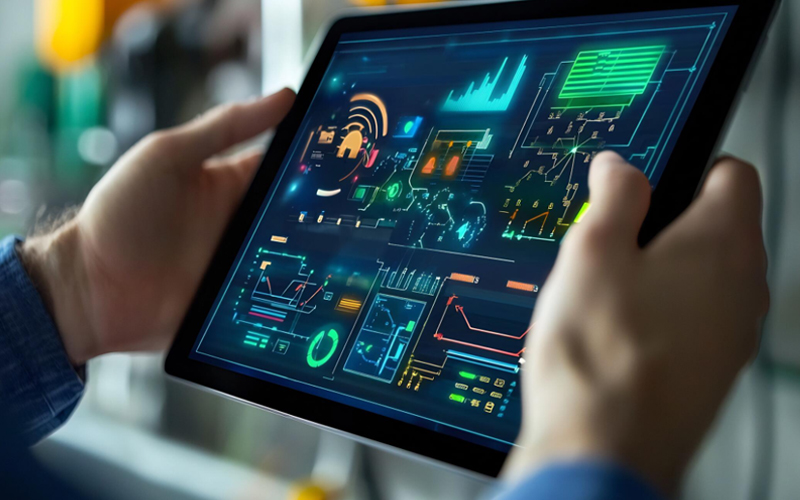



A modern utility control room consists of a maze of grids, sensors, logs, portals and signals, each of which generates huge volumes of data every few minutes. From smart meter readings to load fluctuations and customer behavioural inputs, utility companies sit on a massive cache of data. Without proper intelligence, structure and orchestration, this data gets lost as operational noise. On the other hand, if properly leveraged, this data can help utility companies save billions in revenue. In the U.S. alone, energy theft causes utilities to lose $6 billion yearly. Additionally, utility theft has a significant impact on the operations, reliability, safety and customer experiences too. These issues exacerbate the complex challenges of managing ageing infrastructure, fluctuating demands, and rapidly evolving compliance requirements.
What the utility sector requires is a strategic lighthouse beacon that can illuminate relevant insights in this vast fog of information. Understanding and addressing the causes of non-technical losses (NTL), abnormal consumption, bottlenecks, delays, inefficiencies and more can transform utilities into high-performance infrastructure providers. And this is made possible by leveraging data analytics. It connects the dots across fragmented systems to generate the big picture and reveals patterns that usually remain unseen. It embeds intelligence into operations through navigable insights that guide actions to achieve operational clarity by filtering, aligning and directing attention towards what truly matters. Considering this sector is under immense pressure to deliver on sustainability and profitability goals, utilities are embracing analytics in a big way.
A recent Future Markets Insight report estimates the global utility and energy analytics market will grow from USD 3,881.9 million in 2025 to USD 15,500.99 million by 2035. It mentions optimising energy distribution and consumption, along with a growing need for predictive maintenance and operational efficiency as key driving factors. Reaffirming this trend is a Gartner prediction that says 40% of power and utilities will install AI-driven operators in control rooms by 2027, signalling a shift towards augmented decision-making. The utilities sector is undergoing a paradigm shift from traditional labour-intensive, reactive mechanisms to a proactive, game-changing approach. The technology adoption in utilities extends beyond its core functions of generation and transmission, to all its functions. As per a 2025 EY report titled Future of Energy: Technology Adoption and Workforce Readiness in Power & Utilities, advanced analytics tops the list of technologies, with 78% of surveyed organisations already using it.
Here is a brief glimpse into how this helps transform utilities operations.
Network operations optimisation
Real-time monitoring in smart grid operations can significantly improve operational efficiency. At a time when utilities are moving towards integrating renewable energy, smart energy management is key to maximising the benefits. Advanced analytics facilitate accurate demand forecasting by differentiating between genuine loads and illegal ones. Besides identifying utility theft, this also helps avoid unnecessary expansion and investment in infrastructure, resulting in asset optimisation and reduced capital expenditure. According to the International Energy Agency (IEA), digital technologies can defer the global grid investment of an estimated USD 1.8 trillion to 2050. Digital asset management enhances reliability, resilience and lifecycle optimisation.
Predictive and preventive maintenance
Whether predicting equipment failures, detecting anomalies in real-time, or optimising maintenance schedules, analytics help effect measurable changes in utilities operations. Machine learning (ML) models analyse historical data, voltage and consumption patterns, and compare with real-time data to predict failures and prevent downtime. In the long run, this approach also increases the lifespan of the assets. Any suspicious patterns are flagged and scheduled for preventive maintenance with minimal human oversight as applicable. By correlating abnormal consumption patterns with load behaviours and asset health, utilities can pre-emptively strengthen and optimise networks to avoid failures. According to a Deloitte research report titled 2026 Power and Utilities Industry Outlook, trained Gen AI copilots can guide technicians in real-time to fix issues and facilitate faster outage restoration, while edge-enabled drones can hasten field inspections.
The U.S. Department of Energy’s Operations and Maintenance Best Practices Guide notes that predictive maintenance can reduce maintenance costs by up to 35%, downtime by up to 45% and eliminate breakdowns by up to 75%.
Customer engagement
One of the key benefits of analytics in utilities is enhanced customer experience. Behavioural analytics help utilities understand their customers better and provide personalised services. It enables proactive communication about outages and repairs, aiding transparency and improved customer trust. Granular consumption analytics detect meter tampering and engage customers before escalation. Customers also benefit from better-designed products and services, such as customised energy plans with cost savings, accelerated support and self-service portals.
Overall, data analytics enhance end-to-end utility operations through embedded intelligence that augments data-driven decisions and automation, achieving high levels of operational efficiency and compliance. As utilities tackle the complexities of modern energy demands, data-driven shields can help navigate the challenges, albeit with adequate measures to tackle the increased cybersecurity threats.
How Infosys BPM can help
Infosys BPM’sUtility Theft and Loss Management offerings are backed by our more than two decades of experience in the utility sector. We combine this with our in-depth expertise in the BPM and data analytics domain to offer solutions that deliver 5x ROI for our clients, with reduced false positives and improved risk coverage.
Frequently asked questions
Utility theft and non-technical losses cost energy providers billions of dollars annually, with U.S. utilities alone losing an estimated $6 billion yearly to meter tampering and unauthorized consumption. Future Market Insights projects the global utility analytics market to expand significantly as providers deploy predictive data models to recover lost revenue and optimise grid reliability.
Predictive maintenance replaces reactive repair cycles by correlating real-time sensor telemetry with historical load data to forecast equipment degradation before failures occur. U.S. Department of Energy guidelines note that predictive maintenance strategies reduce equipment maintenance costs by up to 35%, eliminate unexpected breakdowns by 75%, and extend transformer operational lifecycles.
AI-driven control room operators process massive streams of smart grid telemetry to automate load balancing, renewable energy integration, and outage restoration workflows in real time. Gartner forecasts that 40% of power and utility companies will deploy autonomous AI operators in control rooms by 2027 to manage surging electrification demands and decentralized generation.