


Purchase, then pay — quite simple in theory. But before the 2000s, the departments responsible for these tasks, procurement and accounts payable (AP), were paper-heavy and opaque. Day-to-day tasks such as onboarding suppliers, matching invoices, and tracking down missing data consumed huge amounts of time. Teams were either working to keep the process moving, or were absorbed in firefighting when things went wrong. Strategic thinking rarely found space in their day.
In the 2000s, technology began to ease the burden. Enterprise Resource Planning (ERP) systems introduced structure to procurement and formalized the Procure-to-Pay (P2P) workflow. With ERP, procurement and AP became more connected, allowing organizations to track each step from requisition to purchase order (PO), to goods receipt (GR), and ultimately to invoice settlement.
However, even with ERP, most steps still relied heavily on people. Approvals, invoice validation, and coding financial entries required hands-on attention. ERP systems added control and visibility, but they did not remove the human burden.
Organizations responded by creating service delivery centers (SDCs) or Shared Services Hubs to centralize P2P tasks. This improved standardization but did not fundamentally change how work was done. People still spent hours reconciling mismatches, scanning paper invoices, or clarifying incomplete requests. The process could not adapt easily to the rising complexity of global operations, expanding supply chains, and new business models.
the leap to touchless P2P
True, ERP and shared services were important steps since they stabilized the process, added structure, and marked the early evolution of modern procure-to-pay services. However, they were still designed for an era when workflows were linear, predictable, and heavily human-driven.
Today’s environment is very different. Organizations are in an always-on digital mode, markets shift in real time, and procurement and finance are both expected to be strategic, not just efficient. This is where touchless P2P becomes a differentiator: An operating model in which systems execute routine tasks automatically and humans intervene only where their judgement is needed.
Technologies such as artificial intelligence (AI), machine learning (ML), and robotic process automation (RPA) manage repetitive tasks. The system automatically matches invoices to POs, intelligently routes approvals, and applies accounting codes without manual intervention. Modern platforms also learn from past transactions, improving coding accuracy, predicting supplier behavior, or flagging anomalies before they become issues.
What once took hours of manual work now happens quietly in the background. The result? A faster, cleaner, and more consistent P2P process with fewer errors, shorter cycle times, stronger compliance, and clearer visibility across spend.
how a touchless P2P cycle works
Even in a touchless model, P2P starts where it always has — a purchase requirement. The difference lies in what happens next. Instead of poking through spreadsheets or emails for the latest approved supplier list, employees browse curated catalogs inside an e-procurement system. These catalogs are tied to contracts, budgets, and negotiated rates, so people no longer spend time debating which vendor to choose.
Approvals move almost on their own. Workflow automation routes requests to the right managers, and if the item falls within policy — say, inside budget limits or under an existing contract — the system approves it automatically.
After the request clears, the system generates a PO and sends it to the supplier using whatever channel they support: Electronic Data Interchange (EDI), API integrations, or self-service portals. Throughout this, order status updates flow back automatically. Some organizations integrate logistics APIs or IoT sensors to automatically track shipments in the background, updating buyers without manual intervention.
GR is equally streamlined. Employees scan barcodes or QR codes when items arrive. Mobile apps, and in some settings, computer vision, validate quantities and flag damaged items. The information is posted instantly to the ERP.
Invoices follow a similar path. Suppliers upload e-invoices directly, and for those who still send PDFs, Intelligent Document Processing (IDP) reads them using Optical Character Recognition (OCR) and ML models. The three-way match happens in seconds; only mismatches surface for human correction.
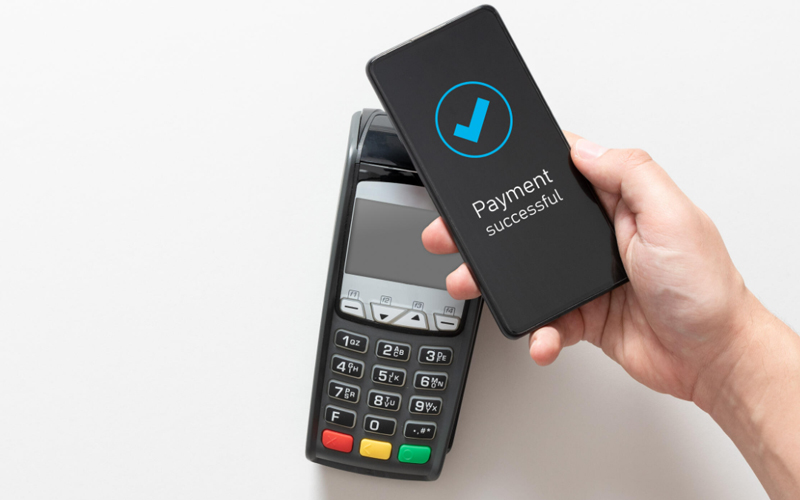
Payments, too, run in the background. In a modern P2P accounts payable workflow, the platform executes payments via Automated Clearing House (ACH), virtual cards, wires, or digital wallets, depending on the organization’s setup. Treasury rules optimize payment timing for cash flow, while compliance tools check against sanctions lists and fraud indicators.
The real payoff is not just efficiency. By removing manual friction, teams get cleaner data, fewer surprises, and the breathing room to focus on decisions rather than transactions.
looking ahead
The numbers speak for themselves. Research by The Hackett Group shows that companies using touchless P2P see $35–45 million in additional spend savings or avoidance (for a $10 billion organization), 40–60% better visibility into spend, 29% lower requisition-to-PO costs, 92% PO adoption, and 28% higher invoice-processing productivity.
As organizations mature their touchless P2P capabilities, modern procure to pay services will continue to shape how procurement operates — shifting teams from managing transactions to driving strategic value. Teams can act quickly and confidently, while procurement moves from routine execution to a strategic driver of long-term value.
how can Infosys BPM help?
Managing financial reports should not feel like a struggle. Infosys BPM’s Enterprise Reporting Services bring clarity and speed by automating routine reporting, unifying data sources, and delivering easy-to-use dashboards that leaders can rely on. From monthly reports to forecasting and performance insights, we help finance teams move faster and make decisions with confidence. Reporting becomes simpler, smarter, and far more strategic.
Frequently Asked Question
Traditional automated P2P relies on rules-based routing that still pauses for manual validation, whereas touchless P2P executes the entire lifecycle from requisition to disbursement without human intervention. This structural shift moves procurement teams from clerical transaction clearing to strategic working capital management.
Enterprises utilize machine learning validation layers that apply three-way matching (PO, receipt, and invoice) alongside behavioral anomaly detection before releasing disbursements. By running these automated audit trails inside secure firewalls, organizations prevent payment leakage without slowing down transaction cycles.
Removing manual validation latency allows finance teams to achieve straight-through processing of invoices within hours of receipt. Automated scheduling algorithms analyze enterprise liquidity and dynamic discounting parameters to release funds at the exact moment that maximizes cash flow yields.
Organizations typically observe a 20% to 30% reduction in procurement transaction costs within three to six months of standardizing digital ingestion. Consolidating vendor onboarding and catalog matching yields immediate gains in compliance and purchase order accuracy. View our finance and accounting capabilities to benchmark your operational modernization goals