


Supply chains are the lifeline of the logistics industry, and their success depends on seamless coordination across every link. When information flows quickly and accurately across a supply chain, operations stay efficient, delays shrink, and customer expectations are met with ease. Supply chains need continuous, high-fidelity streams of data and this is where next-generation connectivity comes in. With its ultra-fast speeds and low latency, 5G has emerged as a transformative force, enabling real-time communication, smarter decision-making, and a supply chain that truly runs like a well-oiled machine.
5G is the fifth generation of cellular technology. It provides higher speeds enabling faster upload and download, reduced delay in data transfer, higher capacity with the ability to connect a large number of devices, and enhanced reliability when compared to previous technologies such as 4G.
A supply chain ecosystem's complexity involving multiple stakeholders, systems, and geographies can lead to information and data silos, causing inefficiencies and supply chain operation delays. Hence, speed in communication is of utmost importance. It enables real-time data exchange and better coordination amongst all the stakeholders, which include manufacturers, distributors, and retailers. Rapid communication through 5G supports agility and resilience, allowing supply chains to adapt to rapid changes in supply and demand conditions. This makes supply chains more responsive to dynamic market conditions, reducing operating costs and thus increasing competitiveness.
areas where 5G is making an impact
5G allows hundreds and thousands of devices, like sensors, wearables and robots to connect with each other reliably. Companies can know in real time where goods are at any point of time, how they move, and what condition they are in. That makes it easier to respond to disruptions, reroute, manage demand surges, or react to shifting customer needs with minimal delay.
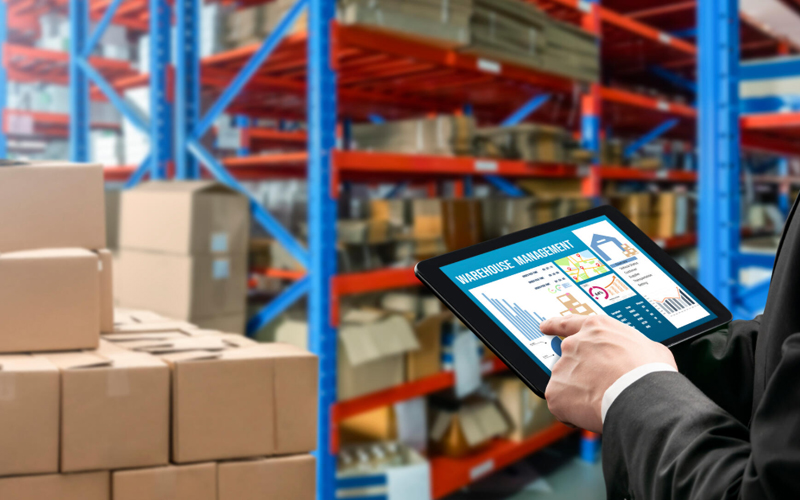
- Live inventory tracking and automated warehouse operations: 5G’s high bandwidth supports the simultaneous connection of thousands of devices, allowing for seamless coordination. Sensors and IoT devices feed real-time data about stock levels, location, and condition. This helps avoid overstocking, stockouts, or lost items.
- Seamless coordination between automated machines and humans: Large companies like Nokia believe that 5G wireless connectivity has the potential to revolutionise the logistics industry. The technology supports autonomous robots, automated guided vehicles (AGVs), and staff devices in warehouses and factories, all of which enable seamless communication without drops or delays.
- Real-time connectivity for vehicles and drones: Connected vehicles, including autonomous trucks, are being tested for their ability to reduce human error, cut down on accidents, and optimize fuel efficiency. These vehicles communicate with traffic systems and control centres in real time, allowing for safe and efficient navigation. For example, BMW has, for the first time, opened its fully AI-controlled automotive factory in Debrecen, Hungary, featuring a private 5G-powered EV plant. The factory has more than 1,000 robots, digital twins, and autonomous vehicles that are integrated seamlessly across a hybrid 5G network. The setup establishes new benchmarks for low-carbon manufacturing, real-time quality control, and scalable production of next-generation electric vehicles.
challenges in the transition to 5G
The transition to 5G in supply chains is certainly not without its challenges. Currently the switch to 5G would require investments from adopters, which could make it cost-prohibitive, especially for small and medium enterprises (SMEs). However, organizations must consider the fact that the ROI upon adopting 5G can offset these initial expenses over time.
On the other hand, the high speed of the 5G network makes it an attractive target for cybercriminals. Robust cybersecurity measures must be put in place to protect sensitive supply chain data and prevent disruptions. Integration with legacy systems could be another hurdle, as existing supply chain management platforms may not be compatible with 5G technology. The key is for most 5G deployments to start as pilots in high-value areas such as warehouses, ports, and factories. Once demonstrable success and ROI are clear in these areas, the rollout can then be expanded.
Connectivity is a critical enabler of supply chain management, offering both challenges and transformative opportunities. A survey by KPMG found only around 13% of businesses have complete visibility of their supply chains. The combination of smart devices, like IoT sensors, trackers and automation systems, along with 5G technology make it possible to monitor shipments, inventory, and operations in real time, improving visibility and efficiency. To remain competitive, organizations need to move fast and make the smart move to 5G to optimize and unlock the full potential of their supply chains.
how Infosys BPM can help
The digital consumer revolution has reshaped how people discover and engage with Consumer Packaged Goods (CPG) brands. With e-commerce surging, social influence rising, and global pressures driving up costs, CPG companies must boost efficiency and conserve cash to stay competitive.Infosys BPM partners with CPG organizations to deliver measurable outcomes comprising improved productivity, higher performance, and optimized inventory and freight costs. Our end-to-end solutions — from Master Data Management and Trade Promotions Management to Logistics Control Tower and Advanced Analytics — enhance consumer insights, strengthen supply chain visibility, and reduce cost to serve.
FAQ
5G technology enables real-time communication between devices, sensors, and systems within the supply chain. With its low latency and high bandwidth, 5G facilitates seamless data transfer, enabling faster decision-making, better tracking, and more efficient logistics operations. This connectivity leads to improved operational efficiency, reduced delays, and more accurate delivery times.
The key benefits of 5G for logistics include enhanced real-time tracking, predictive maintenance, and improved route optimization. 5G enables constant monitoring of vehicles, inventory, and supply chain operations, improving asset utilization and reducing downtime. These capabilities lead to cost savings, faster deliveries, and greater transparency in the supply chain.
The challenges include infrastructure costs, system integration, and the need for skilled professionals to manage 5G-enabled solutions. Overcoming these challenges requires investing in robust network infrastructure, aligning existing systems with 5G capabilities, and ensuring teams are trained to leverage the new technology effectively. Addressing these issues ensures a smoother transition to 5G-enabled supply chains, maximizing operational benefits.
5G allows for faster and more reliable transmission of real-time data from various sources within the supply chain. It enables the integration of IoT devices, sensors, and tracking systems that provide constant updates on inventory, shipments, and warehouse operations. This continuous stream of data improves decision-making and enhances the ability to respond quickly to disruptions or changes in demand.