



Quality management is no longer confined to inspections, audits, and compliance checkpoints. Manufacturers now operate in highly connected environments where data, automation, and customer expectations shape every quality decision. As technology advances, emerging quality management trends are transforming quality from a control function into a strategic driver of operational excellence, resilience, and innovation. The most significant shift is not the adoption of new technologies themselves, but the growing ability to connect quality decisions with operational performance, sustainability goals, regulatory requirements, and customer outcomes.
Digital quality management is redefining quality operations
Manufacturers increasingly view quality as a continuous, data-driven process that spans the entire value chain. This shift is accelerating the adoption of digital quality management capabilities that improve visibility, responsiveness, and collaboration.
Advancing AI in quality management through analytics and automation
The role of AI in quality management now extends far beyond automation. Manufacturers are using AI, machine learning, and advanced analytics to uncover patterns, identify emerging risks, and support faster decision-making.
Key developments driving this change include:
- Predictive quality insights that help teams address issues before they escalate
- Automated analysis of large volumes of quality data
- Faster identification of process variations and performance anomalies
- Improved prioritisation of corrective and preventive actions
Rather than relying solely on historical reporting, organisations can use real-time intelligence to strengthen quality outcomes and operational performance.
Connecting quality management systems through cloud and IoT ecosystems
Quality data often resides across multiple systems, facilities, and supplier networks. Modern quality management system platforms are addressing this challenge through cloud connectivity and integrated technologies.
Key capabilities digital quality management supports include:
- Real-time monitoring through IoT-enabled equipment and sensors
- Centralised access to quality records across locations
- Remote collaboration between quality, production, and supplier teams
- Faster response to quality events and process deviations
As manufacturing networks become more distributed, the ability to standardise quality data across plants, suppliers, and partners is becoming a competitive advantage rather than an operational convenience.
Strengthening trust through cybersecurity and compliance automation
As quality processes become increasingly digital, protecting sensitive operational data becomes a business priority. Manufacturers are investing in secure quality environments that safeguard data integrity while simplifying regulatory obligations.
Manufacturers are increasingly investing in:
- Automated compliance workflows and audit readiness
- Digital traceability across products and processes
- Stronger cybersecurity controls for quality platforms
- Faster documentation and reporting processes
The combination of security and automation helps reduce administrative effort while improving governance and transparency.
Quality is becoming a business-wide strategic capability
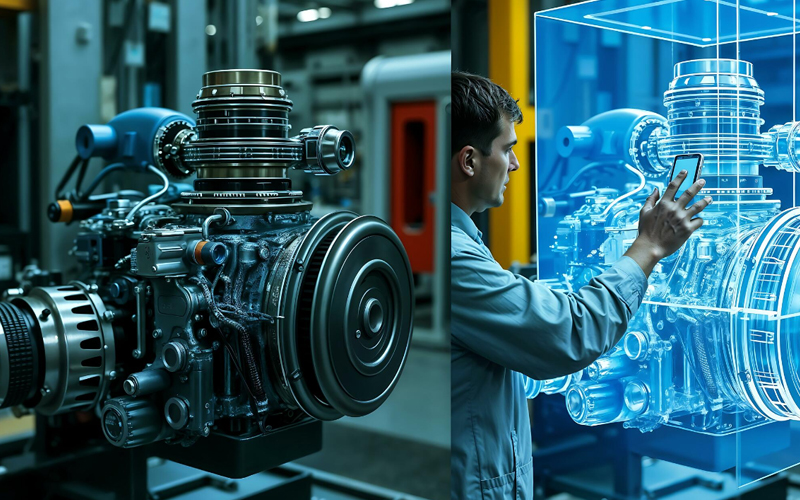
The next phase of quality management trends extends well beyond production environments. Organisations are embedding quality principles into sustainability initiatives, risk management frameworks, customer experience strategies, and workforce development programmes.
Embedding risk and sustainability into quality management systems
Manufacturers face increasing pressure to manage operational risks while supporting environmental and social objectives. As a result, quality teams now contribute directly
to broader business goals. This evolution includes:
- Risk-based quality planning and decision-making
- Integration of ESG metrics into quality processes
- Greater visibility into environmental and supplier performance
- Reduced waste through continuous improvement initiatives
Quality increasingly serves as a mechanism for balancing compliance, sustainability, and operational efficiency.
Creating customer-centric quality ecosystems
Customer expectations continue to evolve, particularly in industries where product performance, safety, and reliability directly influence brand reputation. Modern quality
management systems are incorporating:
- Customer feedback into continuous improvement processes
- Faster identification of recurring product issues
- Cross-functional collaboration between quality, service, and product teams
- More personalised quality workflows and user experiences
This shift helps manufacturers align quality objectives more closely with customer outcomes and business value.
Building agile and quality-focused workforces
Technology alone does not improve quality performance. Organisations also need employees who can interpret insights, adapt processes, and sustain continuous improvement initiatives.
Leading manufacturers are strengthening quality cultures through:
- Digital training and knowledge-sharing platforms
- Improved employee engagement in quality initiatives
- Agile digital quality management practices that support rapid change
- Better collaboration across functions and locations
As quality ownership expands across functions, workforce readiness increasingly determines how quickly manufacturers can realise value from digital quality management initiatives.
While manufacturers are recognising the value of modern quality transformation, implementation often presents challenges. Legacy system integration, upfront investment requirements, and digital skill gaps can slow progress.
Infosys BPM helps manufacturers address these barriers through AI-powered quality management services that enhance visibility, streamline quality processes, strengthen compliance, and improve decision-making. By combining industry expertise, digital technologies, and process excellence, Infosys BPM enables organisations to build a future-ready quality value chain.
Conclusion
Quality management is entering a new phase where intelligence, connectivity, and business alignment matter as much as compliance and control. The most impactful organisations are not the ones that treat quality as a standalone function but use quality data, digital technologies, and cross-functional collaboration to improve resilience, accelerate innovation, and strengthen customer trust. As these quality management trends continue to evolve, quality will increasingly influence how manufacturers compete, adapt, and create long-term value in an increasingly dynamic marketplace.
Frequently asked questions
AI and machine learning deliver predictive quality insights, automate analysis of large quality datasets, flag process variations and anomalies faster, and improve prioritisation of corrective/preventive actions. This shifts teams from historical reporting to real‑time intelligence that strengthens outcomes and operational performance.
Cloud platforms provide centralised access to quality records across sites and enable remote collaboration among quality, production, and supplier teams. IoT‑enabled sensors and equipment deliver real‑time monitoring, speeding response to deviations and helping standardise quality data across distributed manufacturing networks.
Automated compliance workflows and audit readiness reduce administrative effort while improving governance. Digital traceability across products/processes, stronger cybersecurity controls for quality platforms, and faster documentation/reporting protect data integrity and simplify regulatory obligations.
Quality teams now use risk‑based planning and decision‑making, integrate ESG metrics into quality processes, gain visibility into environmental and supplier performance, and reduce waste through continuous improvement. This balances compliance, sustainability, and operational efficiency while supporting broader business goals.
Organisations need employees who can interpret AI/analalytics insights, adapt processes quickly, and sustain continuous improvement. Leading manufacturers invest in digital training and knowledge‑sharing, improve engagement in quality initiatives, adopt agile digital quality practices, and enable better cross‑functional collaboration.
AI and machine learning deliver predictive quality insights, automate analysis of large quality datasets, flag process variations and anomalies faster, and improve prioritisation of corrective/preventive actions. This shifts teams from historical reporting to real‑time intelligence that strengthens outcomes and operational performance.
Cloud platforms provide centralised access to quality records across sites and enable remote collaboration among quality, production, and supplier teams. IoT‑enabled sensors and equipment deliver real‑time monitoring, speeding response to deviations and helping standardise quality data across distributed manufacturing networks.
Automated compliance workflows and audit readiness reduce administrative effort while improving governance. Digital traceability across products/processes, stronger cybersecurity controls for quality platforms, and faster documentation/reporting protect data integrity and simplify regulatory obligations.
Quality teams now use risk‑based planning and decision‑making, integrate ESG metrics into quality processes, gain visibility into environmental and supplier performance, and reduce waste through continuous improvement. This balances compliance, sustainability, and operational efficiency while supporting broader business goals.
Organisations need employees who can interpret AI/analalytics insights, adapt processes quickly, and sustain continuous improvement. Leading manufacturers invest in digital training and knowledge‑sharing, improve engagement in quality initiatives, adopt agile digital quality practices, and enable better cross‑functional collaboration.