


As data and digital relationships continue to reshape customer interactions, Direct-To-Consumer marketing (DTC) offers a powerful growth lever for Consumer‑Packaged Goods (CPG) brands. By shifting focus from retail-led distribution to direct engagement with end consumers, brands can unlock richer insights, stronger loyalty and greater margin control.
why DTC is a loyalty powerhouse for CPG brands
For many traditional CPG players, selling through distributors and retailers means losing direct visibility of their consumer. Direct-to-consumer CPG models invert that equation: the brand owns the relationship, the purchase and the subsequent journey. Recent data from the Emarsys Report shows that only 28% of CPG marketers currently operate a purely DTC model, while 64% use hybrid models blending direct and indirect sales.
With full control of the customer touchpoint, brands can capture first‑party data such as buying habits, preferences and interaction patterns. For example, the Emarsys Report also notes that 41% of consumers expect personalised deals and offers, and 32% seek brand recommendations in discovering products they might not have considered.
the imperative for CPG brands to go DTC
While loyalty is a core benefit, the strategic imperative for the DTC model is far broader. The CPG market is evolving rapidly: selling via third parties has shaped the industry for decades, but e‑commerce growth and changing consumer behaviour are disrupting that model. Contemporary CPG firms spend heavily on marketing, yet struggle with limited first‑party data access. This makes direct-to-consumer marketing an urgent strategic shift.
At the same time, Statista data suggest that DTC commerce sales for CPG will top $186 billion by 2025 in the United States alone, underlining the size of the opportunity. The rationale is clear: by removing intermediaries, brands gain margin upside, improved consumer insights and more agile product innovation. For CFOs, CPOs and CHROs in the US, Europe and APAC, this means rethinking channel strategy, data governance and resourcing.
challenges in building a DTC channel
The transition to direct-to-consumer CPG growth is not without hurdles. Common obstacles include:
- Channel conflict: Brands fear undermining retailer relationships if they launch direct sales.
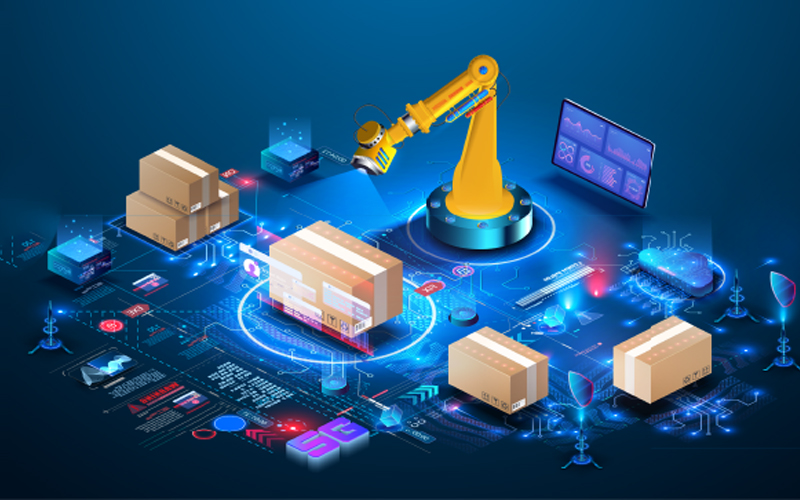
- Operational complexity: Selling “eaches” to consumers instead of pallets to retailers requires new fulfilment, logistics and technology.
- Technology fragmentation: Only 37% of CPG brands have fully integrated their customer experience, ERP, and marketing systems.
- Acquisition cost pressure: As online competition intensifies, the cost of digital customer acquisition can rise rapidly.
ingredients for a successful DTC launch in CPG
To succeed, direct-to-consumer CPG brands must have a set of critical enablers in place:
- Robust e‑commerce and digital experience platform: Brands need a customer‑centric commerce site capable of subscriptions, bundles, and personalised offers.
- Unified data and AI‑driven insights: High‑quality first‑party data allows brands to tailor messages and offerings. Today, only a minority of CPG players currently have fully unified systems.
- Omnichannel fulfilment and logistics: Direct engagement means new supply‑chain flows, reverse logistics, and fulfilment models. For example, brands can let consumers build baskets online and route fulfilment via retailers or delivery apps, turning potential channel conflict into connected commerce.
- Value‑led offer design: Exclusive bundles, limited‑edition packs, or subscription services help differentiate a direct channel from traditional wholesale.
the importance of the digital experience
In direct-to-consumer CPG growth, the digital front‑door is not optional; it is the brand’s primary storefront and relationship engine. Buyers expect the same seamless experience they get from native DTC brands. According to the Emarsys Report, 60% of consumers believe buying directly from a brand should cost less and 57% have shifted to private‑label alternatives for better value.
Delivering relevant, fast, personalised experiences means linking purchase behaviour, browsing patterns and engagement across channels to create unified consumer profiles. Brands that achieve this can drive stronger loyalty and lifetime value, and avoid becoming transaction‑driven commodity players. To keep competitive, CFOs and CPOs must invest in a modern stack, analytics and consumer‑first UX.
why choose DTC rather than stay with traditional channels?
Traditional wholesale models may offer scale but limit control of consumer data, margin and experience. Direct-to-consumer CPG offers:
- Higher margin retention by removing intermediary mark‑ups.
- Deeper brand‑consumer relationships and first‑party data for innovation and retention.
- Agility to test new SKUs, bundles, and packaging directly with consumers.
- A hedge against wholesale disruption and increasing retailer power.
how companies can “get DTC right”
To get direct-to-consumer CPG correct, leadership must treat it as a strategic business rather than a side project. Key practices include:
- Set clear business objectives: Define how DTC will contribute to overall growth, category development, and margin improvement.
- Build a consumer‑centric operating model: Look beyond sales to create end‑to‑end journey design, acquisition, retention, expansion, and lifecycle management.
- Prioritise data foundations: Integrated data, CDP‑type capability, and advanced analytics are essential for personalisation at scale.
- Pilot, learn, scale: Start with targeted bundles, regions, or consumer segments, and iterate quickly. Many brands have launched DTC channels in less than six months with the right tech foundation.
- Collaborate with retail partners where needed: Direct-to-consumer growth does not necessarily mean bypassing retail; hybrid models that support both channels often perform best.
- Measure beyond transactions: Focus on metrics such as repeat purchase rate, subscriber churn, margin per customer, and lifetime value, not just one‑time sales.
For additional perspectives on sustaining momentum once the model is in market, explore how direct‑to‑consumer brands can continue to grow.
conclusion
Direct-to-consumer marketing offers CPG brands a sustainable strategic advantage: control over the consumer relationship, richer data insights, and stronger margin capture. But it is not without its complexities; integration, fulfilment, data, and channel strategy all have to align. Brands across the US, Europe and APAC that treat direct-to-consumer CPG as a business transformation rather than a channel experiment will unlock its full potential.
If you are looking for comprehensive CPG outsourcing solutions to navigate the complexities of DTC growth, choose Infosys BPM to accelerate your journey and optimise your strategy.
FAQs on scaling DTC in CPG
DTC gives CPG brands direct access to first‑party consumer data, stronger control over margins, and the ability to test new products, bundles, and propositions without relying only on retail partners, which is critical as e‑commerce penetration and consumer expectations continue to rise.
Leaders typically struggle with channel conflict, operational complexity in shipping “eaches” instead of pallets, fragmented tech stacks across CX, ERP and marketing, and rising digital acquisition costs, all of which require clear strategy and a staged roadmap.
The blog highlights a robust e‑commerce experience, unified data and AI‑driven insights, omnichannel fulfilment and logistics, differentiated offers such as bundles or subscriptions, and a consumer‑centric operating model as critical enablers for sustainable DTC growth.
Infosys BPM can help CPG enterprises with CPG outsourcing solutions that combine consumer‑centric operating models, data and analytics, and digital experience capabilities to accelerate DTC launches and optimise them for loyalty, growth and margin.